15 Month Sleep Regression: Why It Hits and What Helps
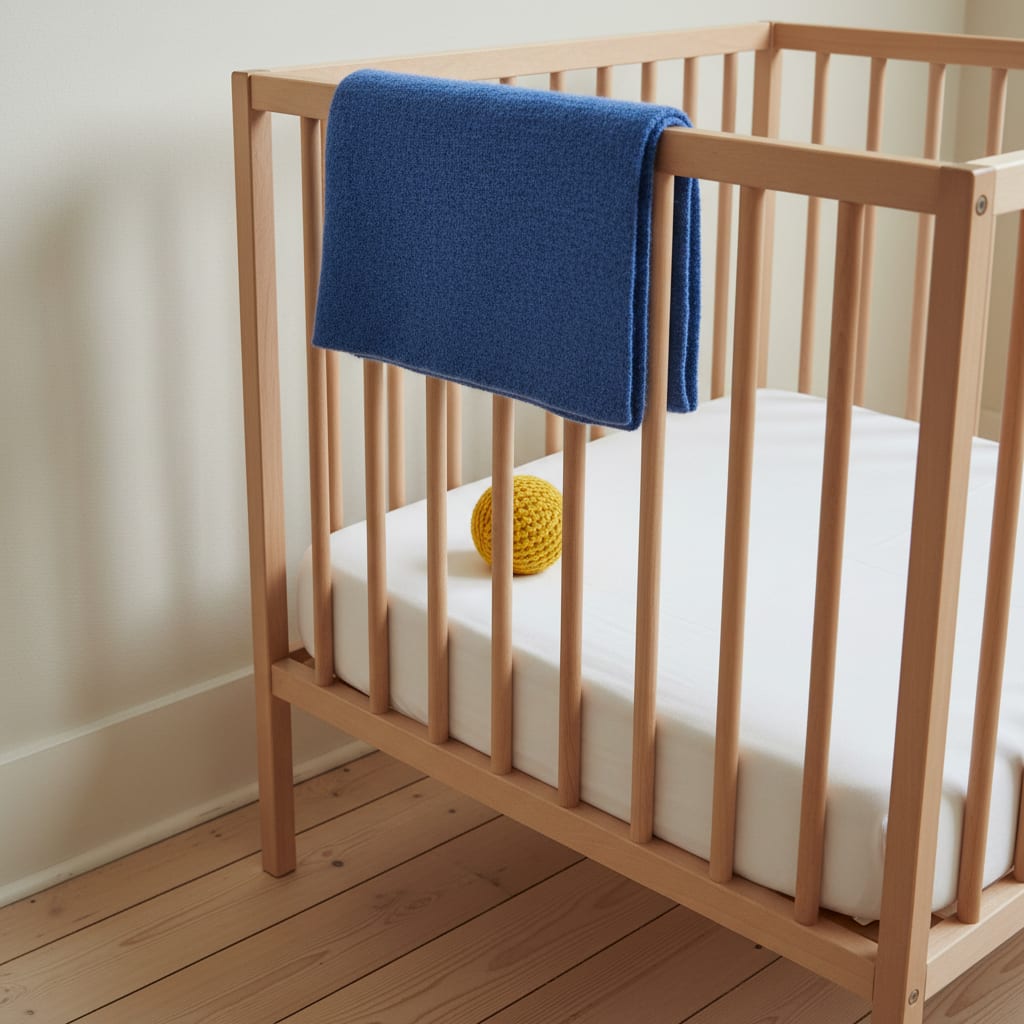
The 15 month sleep regression is a few rough weeks when a toddler who slept well starts fighting naps, waking at night or protesting bedtime. At fifteen months it usually has four causes at once: walking is new, the second nap is starting to wobble, separation anxiety can arrive for the first time, and molars may be on the way. The response that works is steadiness. Keep the same routine, keep both naps on offer unless the signs to drop one are clear, keep night visits short, and expect it to pass in a few weeks.
Why fifteen months gets its own rough patch
“Sleep regression” is a parents’ term rather than a clinical one, and none of the pediatric sources cited here uses it. What the sources do describe are the ingredients, and at fifteen months several of them land together.
- Walking is brand new. The CDC’s 15-month checklist includes “Takes a few steps on his own.” For many children those steps are days or weeks old, and a skill that new gets practised everywhere, including standing and cruising in the crib at 2am.
- The second nap is on the edge. This is the classic age for the two-nap day to start fraying. A morning nap that runs long can push the afternoon nap so late that it collides with bedtime, or vanish altogether.
- Separation anxiety can be arriving, not returning. The AAP’s separation-anxiety guidance says that “many toddlers skip separation anxiety in infancy and start demonstrating challenges at 15 or 18 months of age.” A child who sailed through nine months can meet it now, and bedtime is the longest separation of the day.
- Teeth. The AAP’s teething page gives the order: front teeth first, then “the first molars come in next, followed by the canines or eyeteeth.” The same page sets a limit worth remembering. A child who is “particularly miserable” or has a fever above 101°F is “probably not” teething and should be seen.
- First words. The 15-month list includes trying “to say one or two words besides ‘mama’ or ‘dada’”. Language work keeps a busy brain busy at bedtime, too.
Signs it’s a regression and not something else
A regression usually looks like a sudden change in a child who was sleeping well:
- standing up in the crib and not knowing how to get back down
- night wakings with real upset rather than sleepy grumbling
- one nap refused or cut short, often the afternoon one
- clinginess that shows up mainly at drop-off and bedtime
- earlier mornings than usual
If the change came with a fever, a cough, ear pulling or a rash, start with regression vs teething, illness and growth spurts before blaming development.
The nap question is the one to get right
At fifteen months the biggest mistake is reading a few refused naps as proof that two naps are over. A child who refuses the afternoon nap during a regression may still need it. Dropping it too early usually means a cranky late afternoon and a worse night.
The 2-to-1 nap transition entry covers the signs that a child is really ready, and the gradual plan when they are. The short version: one refused nap is noise, and a consistent pattern over a couple of weeks is information. If you are unsure, the 15 month old schedule has a sample day for both versions, and a hybrid day (two naps when the morning was rough, one when it wasn’t) is a reasonable bridge.
The total-sleep figure helps here. The CDC puts toddlers aged one to two at “11–14 hours (including naps)” across 24 hours. If daytime sleep shrinks, night sleep or an earlier bedtime has to make up the difference.
What helps, in order
- Keep the bedtime routine identical. Same steps, same order, same room, same rough time. When the rest of their world is changing fast, sameness reassures more than anything new you could add.
- Let them practise standing and sitting in the daytime. A child who stands in the crib and can’t get down is often missing the “down” half of the skill. Practise lowering to sitting during play, and at night help them down once, then keep your response brief.
- Keep night visits short and dull. Go in, reassure, and leave. “You’re safe, it’s still sleep time” is enough. A long visit teaches a quick learner that waking leads to company.
- Keep offering both naps unless the signs to drop one are consistent. A quiet rest in the crib counts for something even if sleep doesn’t come.
- Move bedtime earlier after a bad nap day. Twenty or thirty minutes earlier is often the kindest fix for an overtired evening.
- Make goodbyes short and predictable. The AAP advises keeping the goodbye “short and sweet” and doing “the same drop-off with the same ritual at the same time each day”. Practising that at daycare drop-off pays off at bedtime.
- Ask before medicating sore gums. If teeth are clearly the problem, ask your pediatrician what pain relief is appropriate.
Field note: the fifteen-month-olds who settled fastest in a classroom were rarely the early walkers. They were the ones whose adults had kept the same short goodbye through a busy month.

What to avoid while it lasts
The habits that outlast a regression are usually the ones started at 2am under pressure: rocking back to sleep after months without it, a parent moving onto the floor, a bottle reintroduced at night. None of them is wrong once. The trouble is that a fifteen-month-old learns quickly what happens after waking, and a new habit can stay for months after the reason for it has gone.
How long it lasts
Most families describe a few weeks, commonly two to six, provided the response stays the same. Betteroo has a broader look at how long these rough patches usually run across the toddler years. If sleep settles and then wobbles again a few months later, that is common too, and the 18-month version has its own causes and its own entry.
When to check with your pediatrician
Most of this is ordinary development, but talk to your pediatrician if sleep trouble comes with snoring or pauses in breathing, ear pulling with a fever, a fever above 101°F, a change in eating or energy during the day, or the loss of a skill your child had. Raise it, too, if nothing has improved after six to eight weeks of a consistent response. None of this is medical advice; it’s a well-organized head start for that conversation.
FAQ: the 15 month sleep regression
How long does the 15 month sleep regression last?
Usually a few weeks, commonly two to six. It tends to last longer when the response changes from night to night, or when new sleep habits are added while it’s happening.
Should my 15 month old drop to one nap?
Not because of a few refused naps. Look for a consistent pattern over a couple of weeks: the morning nap taking ages to start, the afternoon nap refused most days, or bedtime getting pushed late. Until then, keep offering two.
Is it teething or a sleep regression?
It can be both, since first molars often come in around now. According to the AAP, a child who is particularly miserable or has a fever above 101°F is probably not just teething.
My 15 month old stands in the crib and cries. What should I do?
Help them down once, calmly, and practise lowering to sitting during the day. Then keep night visits brief. The crib standing usually fades once getting back down is as easy as getting up.
See also: nearby entries
18 Month Sleep Regression: Signs, Causes & What to Do
July 17, 2026

Toddler's First Pillow: When They're Ready and What Changes
October 7, 2026
Crawling, Cruising and 2am: When Movement Breaks Sleep
August 11, 2026