Behavior & Tantrums · Entry
Toddler Head Banging: Why It Happens and When to Worry
Why toddlers bang their heads during tantrums, how to respond calmly without an audience, how to keep them safe, and the signs that mean calling the doctor.
Toddler head banging during a tantrum is common and, in most children, not a sign of anything wrong. Nemours KidsHealth describes occasional head banging as “a form of self-stimulation, self-comfort, or a way to release frustration,” and says it is “not a sign of another problem.” The useful response is calm and quiet: keep your child from getting hurt, don’t scold or make a big deal of it, and deal with whatever upset them. Call the pediatrician if the banging causes injuries, happens often outside of tantrums, or comes with delays in speech, play or social contact.
This entry is about head banging when a toddler is angry or frustrated. The rhythmic kind that happens while a child falls asleep is a different habit, covered in our sister site’s guide to bedtime head banging and rocking.
What it looks like
Head banging in a tantrum is usually easy to recognise. A child who has been told no, or who can’t make something work, throws themselves to the floor and hits their forehead on it. Some bang against a wall, a door or the side of a cot. Some hit their own head with their hands. It often happens alongside the rest of a tantrum (crying, kicking, going stiff) and stops when the storm passes.
The AAP’s HealthyChildren site notes that tantrums “happen most between ages 1 and 3 years.” Head banging tends to belong to the same stretch, and to the same children who have big, physical tantrums. If your child is two, our entry on 2 year old tantrums covers the wider picture.
Why toddlers bang their heads
There is no single cause, but the reasons parents and pediatricians describe fit together.
- Feelings bigger than words. A one- or two-year-old has strong wants and very few words to express them. When frustration has nowhere to go, it goes into the body. Our entry on why toddlers have tantrums explains this gap in more detail.
- It releases the feeling. KidsHealth lists “a way to release frustration” as one of the main reasons. A hard, rhythmic movement can be oddly calming for a child who is overwhelmed.
- It works. If head banging brings a parent running, ends a “no” or gets the biscuit, a child learns that quickly. This is not manipulation in the adult sense. It is ordinary learning.
- Tiredness, hunger and illness. Tantrums of all kinds come faster when a child is short of sleep or food. The AAP advises carrying a snack if tantrums peak with hunger and to “prioritize sleep/nap time” if they peak with tiredness.
How to respond in the moment
KidsHealth’s advice is short: help by “dealing with whatever is causing the emotional upset and protecting them from injury as much as possible,” and “try not to make a big deal about the head banging or scold your child for this behavior.” In practice:
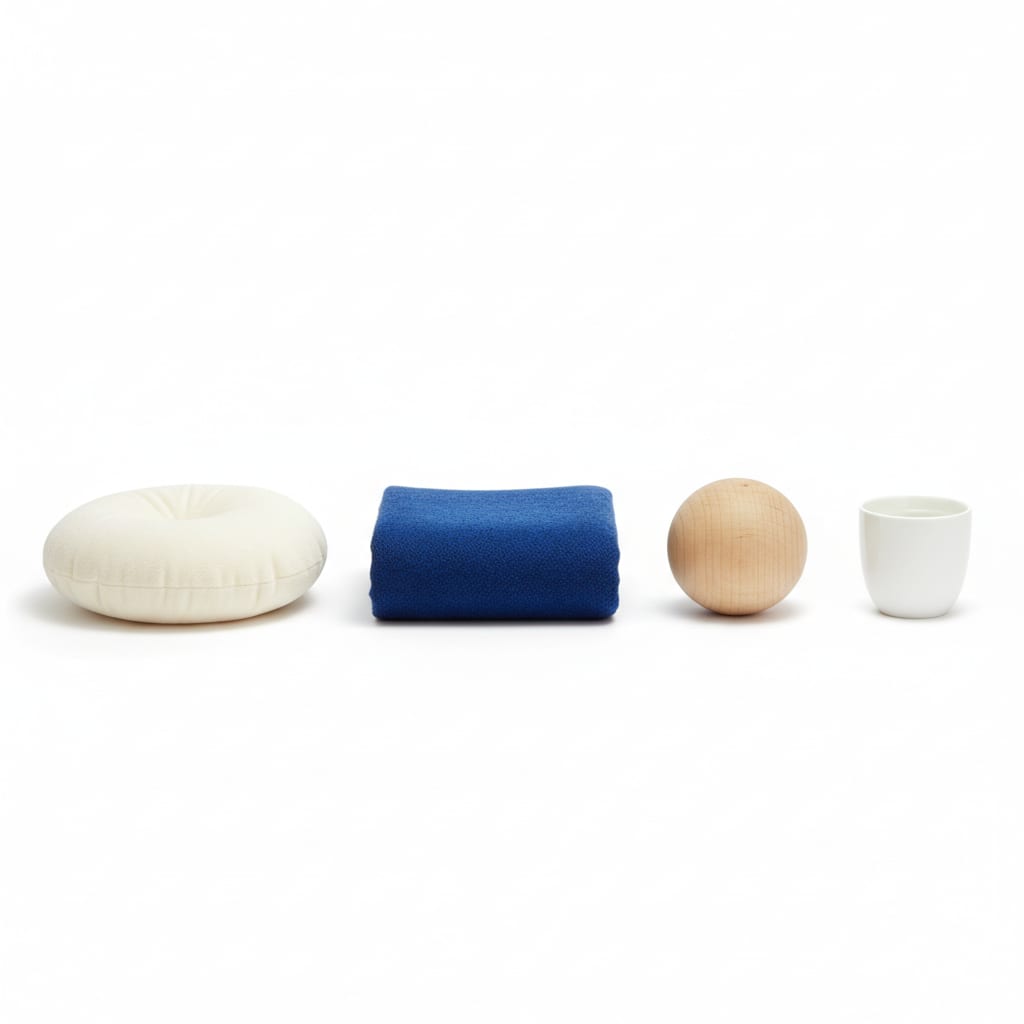
- Make it safe, quietly. Slide a cushion or folded blanket under their head, or move them onto carpet. Do it without comment.
- Stay close, say little. A calm “I’m right here” is enough. Long explanations feed the storm.
- Don’t give an audience. Gasping, pleading or a big reaction can make head banging more likely next time. Stay nearby but low-key.
- Don’t give in because of the banging. If the answer was no, it stays no. Give comfort for the feeling, not the thing they wanted.
- Talk afterwards. When your child is calm, name the feeling (“You were so cross the tower fell”) and show another way to let it out, such as stamping feet or squeezing a pillow.
This is the same calm, no-audience approach that works for breath-holding spells, another tantrum behaviour that frightens parents far more than it harms children.
 Cross-reference
When short nights are fuelling the meltdowns
Betteroo builds a sleep plan for children from newborn to age 6 around your child's naps, bedtime and night waking, with coaching when a stretch gets hard.
Take the free 3-minute quiz →
Keeping your toddler safe
Even when the banging itself is harmless, a child can still hit a sharp edge. A few changes reduce the risk without turning the house into a padded room:
- Pad the hard corners where tantrums tend to happen, such as a coffee table or a low hearth. Pre-taped foam guards like the Roving Cove corner protectors fit most furniture.
- Notice the favourite spot. Many children bang in the same place every time, often a hard floor near where the trouble started. A rug there helps.
- Move them, don’t restrain them. Gently moving a child onto a soft surface is fine. Holding them down usually makes the struggle longer.
Head banging at bedtime is different
Rhythmic head banging or rocking as a child drifts off is a self-soothing habit, not a tantrum. Cleveland Clinic describes head banging, body rocking and similar behaviours as “normal in babies and toddlers, particularly during naps or at nighttime,” and says they usually aren’t harmful “unless they cause injury or sleep disturbances.” Betteroo explains the younger, in-the-crib version of the habit for parents who see it start before the first birthday.
When to call the pediatrician
KidsHealth says that while head banging is common and usually nothing to worry about, “in some kids it can be part of a developmental problem.” It advises that a child “who is head banging often, particularly if there’s a question of developmental delay or unusual social interactions, should be seen by a doctor.” Cleveland Clinic adds daytime episodes, injuries and difficulty making eye contact to its list of reasons to book a visit.
Talk to your child’s doctor if:
- the banging causes bruises, cuts or bumps
- it happens often, or outside of tantrums when nothing has upset your child
- your child also has delays in talking, playing or responding to people
- your child also repeats other movements in ways that seem unusual to you
- the banging is getting more frequent or harder over time
- you are simply worried; that is reason enough
None of this is medical advice. It is a head start for that conversation.
FAQ
Is it normal for a toddler to bang their head when angry?
Yes. Head banging during tantrums is common in toddlers and usually fades as children learn words and other ways to cope with frustration. It needs a doctor’s view when it causes injury, happens often or comes with developmental concerns.
Should I ignore my toddler’s head banging?
Ignore the behaviour, not the child. Keep them safe and stay close, but don’t react strongly, scold or give in. A big response can teach a toddler that head banging gets results.
Can head banging hurt my toddler?
It can. Cleveland Clinic names injury as one of the reasons to see the doctor, and a hard edge can cause a bruise or cut. Pad the corners near where tantrums happen and move your child onto a soft surface if needed. Call the doctor about any injury.
Is head banging a sign of autism?
Not on its own. Most toddlers who bang their heads during tantrums are developing typically. KidsHealth advises seeing a doctor if head banging is frequent and there are also questions about development or social interaction.