2.5 Year Old Milestones: What Most Kids Do at 30 Months
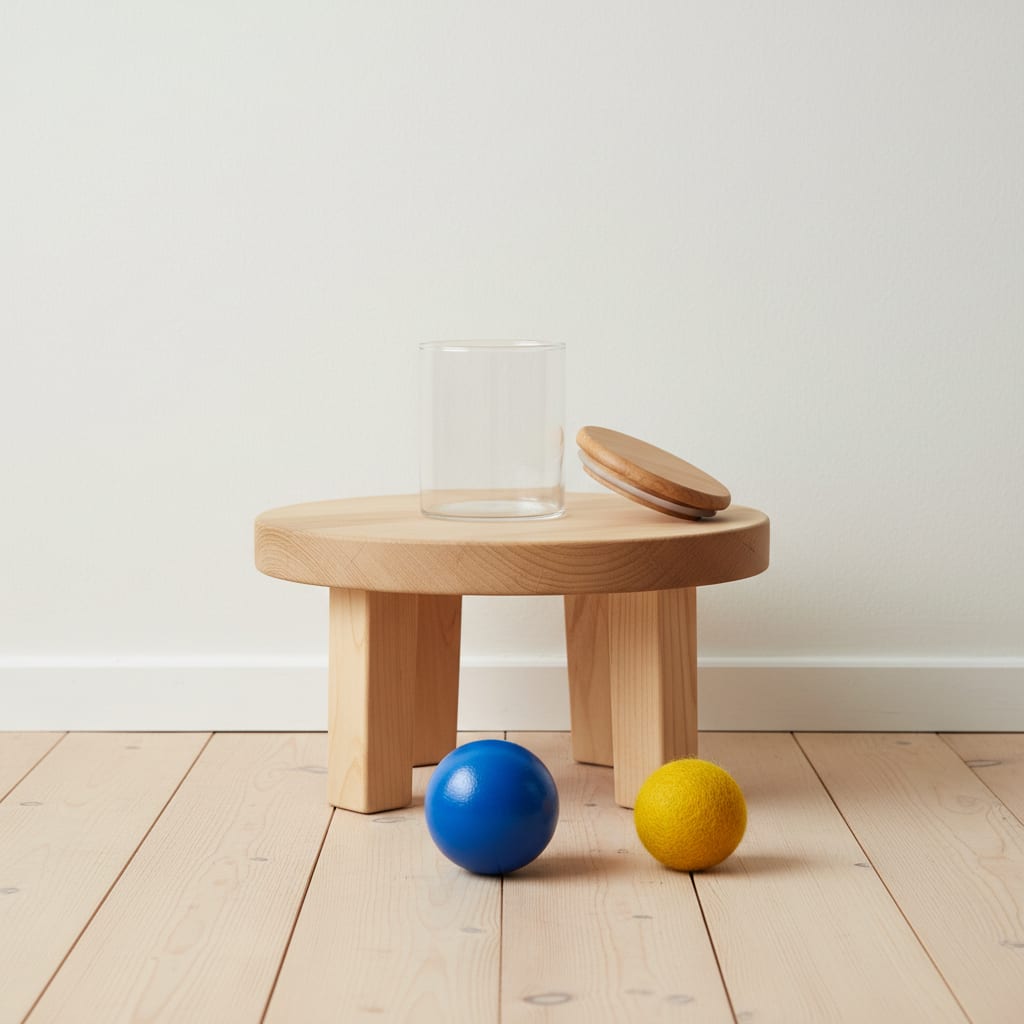
By two and a half, most children say about 50 words and put two or more together with an action word (“doggie run”). They use “I”, “me” or “we”, pretend with objects, follow two-step instructions, know at least one color, twist lids and doorknobs, and jump with both feet. Those are the CDC’s 30-month milestones, and like every checklist on this site they describe what most children do by this age, not what the average child does. Thirty months is also one of the three ages at which the AAP recommends a standardized developmental screening, so the visit is worth preparing for.
The 30-month checklist, item by item
These are the CDC’s own wording from its 30-month milestones page. Nemours KidsHealth uses the same list.
Social and emotional
- “Plays next to other children and sometimes plays with them”
- “Shows you what she can do by saying, ‘Look at me!’”
- “Follows simple routines when told, like helping to pick up toys when you say, ‘It’s clean-up time.’”
Language and communication
- “Says about 50 words”
- “Says two or more words together, with one action word, like ‘Doggie run’”
- “Names things in a book when you point and ask, ‘What is this?’”
- “Says words like ‘I,’ ‘me,’ or ‘we’”
Thinking and problem-solving
- “Uses things to pretend, like feeding a block to a doll as if it were food”
- “Shows simple problem-solving skills, like standing on a small stool to reach something”
- “Follows two-step instructions like ‘Put the toy down and close the door.’”
- “Shows he knows at least one color, like pointing to a red crayon when you ask, ‘Which one is red?’”
Movement and physical development
- “Uses hands to twist things, like turning doorknobs or unscrewing lids”
- “Takes some clothes off by himself, like loose pants or an open jacket”
- “Jumps off the ground with both feet”
- “Turns book pages, one at a time, when you read to her”
What changes between 24 and 30 months
Read side by side with the 2 year old milestones, the half-year shows a clear direction. Each skill gets a little more independent and a little more complicated.
| Area | By 2 years (CDC) | By 30 months (CDC) |
|---|---|---|
| Combining words | ”at least two words together, like ‘More milk’" | "two or more words together, with one action word” |
| Books | points to a named picture (“Where is the bear?“) | names the picture when you point and ask |
| Sense of self | looks at your face to see how to react | says “I”, “me” or “we”; “Look at me!” |
| Play | puts toy food on a toy plate | feeds a block to a doll “as if it were food” |
| Hands | holds a container in one hand and takes the lid off | twists doorknobs and unscrews lids |
| Body | kicks a ball, runs, walks up a few stairs | jumps with both feet |
Three of those rows are worth explaining, because they are bigger than they look.
The action word. At two the checklist asks for any two words together. At thirty months one of them should be a verb. “Doggie run” describes something happening, which is a step toward a sentence. The words are covered in more depth in the 2 year old speech entry.
From pointing to naming. At two your child shows they understand by pointing to the bear. At thirty months they say “bear” when you point. The understanding was already there, and now the child is producing the word as well.
The block that becomes food. Feeding a doll with a toy spoon is using an object for what it’s for. Feeding a doll with a block means the block stands for something it isn’t. That symbolic step underpins later pretend play, and it is why a thirty-month-old’s play suddenly needs very few props.
”I”, “me” and “Look at me!”
The social items at thirty months are mostly about a child noticing themselves. Pronouns arrive, showing off arrives, and so does a strong opinion about doing things alone. “Me do it” belongs to the same development as “I” and “me” on the checklist. It explains why getting out the door takes longer at two and a half than it did at two: the child now wants to be the one who opens it.
The checklist’s “plays next to other children and sometimes plays with them” also deserves a careful reading. Playing alongside is still the expected default. Playing together is described as occasional. A thirty-month-old who mostly plays near other children rather than with them is right on the list.
Field note: in the classroom, thirty months was the age when the clean-up song started to work. Not because children suddenly liked tidying, but because they could hold a short routine in their heads and follow it from a cue.
The 30-month screening visit
The AAP recommends that “standardized developmental screenings should be conducted at the 9-, 18-, and 30-month well-child visits.” In practice that usually means a questionnaire you fill in about what your child does, often before the appointment. It is routine, not a sign of concern.
A few things make the visit more useful:
- Watch for a week first. Note which checklist items you have seen and which you haven’t. “I haven’t seen jumping” is more useful to a doctor than “I think it’s fine”.
- Count words loosely. You don’t need an exact total, just a rough sense of whether it’s nearer 20 or 50.
- Bring anything that has gone backwards. Lost words or skills matter more than any single missing item.
The CDC’s advice on concerns is short: “You know your child best. Don’t wait. If your child is not meeting one or more milestones, has lost skills he or she once had, or you have other concerns, act early.” KidsHealth adds that children born prematurely may reach milestones later, which is worth raising if it applies.
Sleep at two and a half
Milestone bursts and sleep changes often arrive together, and this half-year is when many families see the nap shorten. The 2.5 year old schedule entry covers the capped nap and the bedtime that has to move with it. Betteroo has a guide to the sleep wobble some families hit around thirty months if nights are unravelling too.
What comes next
At three, the checklist moves from words to conversation: “at least two back-and-forth exchanges”, “who, what, where or why” questions, and speech that others understand “most of the time”. Joining other children to play replaces playing next to them. The full list is in the 3 year old milestones entry.
FAQ: 2.5 year old milestones
How many words should a 2.5 year old say?
The CDC’s 30-month checklist says “about 50 words”. That number is a screening floor, and many children say far more. Joining words with an action word matters as much as the count.
Is it normal for a 2.5 year old not to know colors?
The checklist asks for one color, not all of them, such as pointing to the red crayon when asked. Naming many colors comes later for most children.
Should a 2.5 year old be jumping?
“Jumps off the ground with both feet” is on the 30-month list. Some children get there months earlier, others need a few more weeks. Mention it if your child isn’t trying at all.
What happens at the 30-month checkup?
Along with the usual exam, the AAP recommends a standardized developmental screening at this visit. It is usually a parent questionnaire about what your child does day to day.
See also: nearby entries
18 Month Sleep Regression: Signs, Causes & What to Do
July 17, 2026
18 Month Old Sleep Schedule: Naps & Wake Windows
July 17, 2026
15 Month Old Schedule: One Nap or Two?
July 19, 2026