Ice Skating With a Toddler: Readiness, Safety and Bedtime
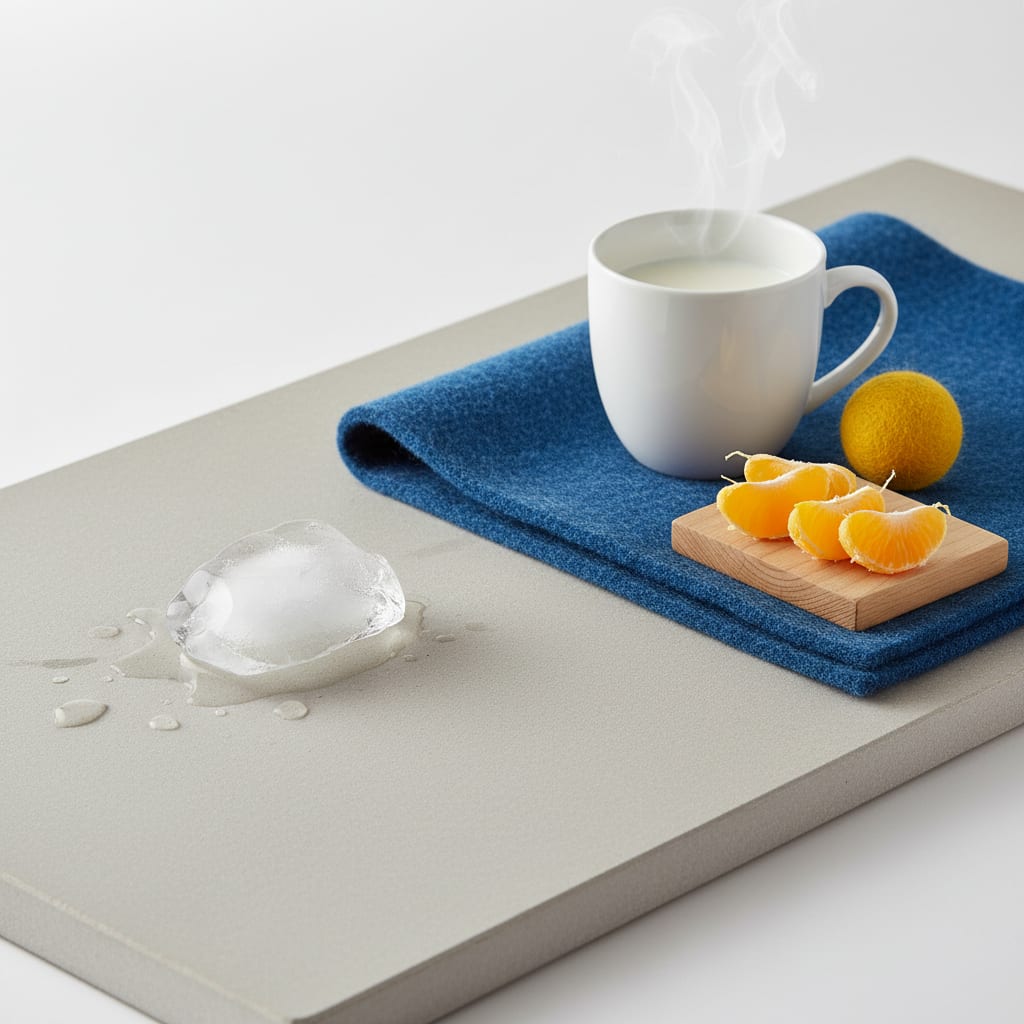
Most toddlers can try a first ice-skating session, as long as you set the goal correctly: a short, cold, wobbly half hour of marching and falling, holding your hands or in a class built for children under six, not gliding. Put a helmet on them; Learn to Skate USA says all beginning skaters should wear one. Dress them in thin layers for a rink that is colder than you expect, and bring dry clothes. Then plan the evening around what a rink afternoon reliably disrupts, the nap and the snack, rather than counting on the exercise to deliver a long night.
Is my toddler old enough to skate?
There is no single starting age. The American Academy of Pediatrics’ guide to sports readiness says that “before age 6 years, most children do not have the basic motor skills for organized sports. Balance and attention span are limited.” That is not a reason to stay off the ice; it describes what a first session should look like. The same page says instruction at this age “should be limited, follow a show-and-tell format, and include playtime.”
Learn to Skate USA, with nearly 1,000 rink locations, runs its Snowplow Sam curriculum for “skaters under the age of six.” Each rink sets its own minimum age, so ask before you register.
Balance is the part worth understanding. An AAP article on moving from motor skills to sports skills describes young children who “must concentrate just to stay upright.” On ice, staying upright is the whole job.
From years of watching toddlers try new physical things, these are the signs I look for before booking (my own checklist, not a rule):
- Walks and runs steadily and climbs playground steps; the 3 year old milestones entry describes what that usually looks like.
- Keeps a helmet on for ten minutes without a fight. Practice at home first.
- Follows a one-step instruction from an adult who is not you.
- Copes with loud, echoing spaces. Some toddlers are done before they reach the ice.
What a first session actually looks like
Learn to Skate USA’s first-day guide is blunt about the first time on skates: “you’re going to fall. We all fall.” It says “marching across the ice is the first skill taught,” and that instructors spend several minutes on day one teaching how to fall and stand back up.
For a toddler, that is the session: marching, sitting down hard, trying again. Fifteen good minutes and a request for the bench is a success. Leave while it is still fun.
On fit, the guide advises one pair of lightweight socks, since thick ones “limit support and create uncomfortable bumps,” and boots snug with “the heel far back in the boot.” It warns that “shoe size also does not necessarily match skate size,” so try more than one rental pair, and suggests arriving about 20 minutes early.
Helmets and protective gear
All three sources point the same way:
- Learn to Skate USA’s first-day guide says of helmets: “All beginning skaters should wear them.” It lists recommended certifications (ASTM F1447; Snell B-90A, B-95, N-94).
- Nationwide Children’s Hospital’s winter sports guidance says that for ice skating “a multi-sport or bicycle helmet would be a good option.”
- The AAP’s winter safety page suggests a helmet, knee pads and elbow pads, “especially while learning to skate.”
Learn to Skate USA’s helmet fact sheet adds two details. No helmet standard exists specifically for ice skating, so the listed standards stand in. And it says not to wear anything under the helmet, so the wool hat comes off first. Wear it low in front to protect the forehead, and check the strap. A bike helmet that already fits is usually the one to bring. If you need one, a toddler bike helmet such as the Giro Scamp II would do; check its label against the certification your rink asks for, and have your child there to try it on.
Dressing for a cold rink
The first-day guide notes that “arenas do keep thermostats set at a brisk 50°F,” recommends “plenty of layers along with a jacket,” and prefers sweatpants to bulky snow pants. The AAP explains why toddlers need more care than you: “Because their bodies are smaller, they lose heat more quickly,” and when they are having fun “they may be less likely to come inside when they’re getting too cold.” It also says to “make sure children change out of any wet clothes right away,” and knees get wet on the first fall.
| Bring | Why |
|---|---|
| Helmet that fits, no hat underneath | Every beginner falls |
| One pair of thin socks | Thick socks bunch inside the boot |
| Thin layers, a jacket, sweatpants | 50°F rink air; layers come off as they warm |
| Gloves or mittens | The guide says they protect hands as skaters fall and stand up |
| A complete dry change | Wet clothing pulls heat away |
| A snack and water | Covers a session that runs into a meal |
At an outdoor rink, the AAP says to skate only on surfaces approved for skating and to avoid temperatures or wind chills below -15°F. It lists hypothermia’s warning signs as shivering, then becoming “sluggish, clumsy or slur their words,” and calls that a 911 emergency.
The evening after: what to expect
Honestly, I can’t promise that a skating afternoon buys a long night. KidsHealth’s sleep-habits handout for ages 1 to 5 says “plenty of physical activity” can help children sleep better, but that is a daily habit, not one session. What a rink trip predictably changes is the timing around bedtime.
The nap. Lesson times often clash with naps. Betteroo’s sample schedule starts a two-year-old’s single nap at 12:30 or 1:00pm and explains what a nap that starts late does to bedtime. Choose a session that ends before the nap. If the nap is lost, or shrinks to a doze in the car home, the no-nap day plan sets out how far to move bedtime: 30 to 60 minutes earlier for a missed nap, less for a short doze.
Too tired. A toddler who drops off instantly and is up again half an hour later may be overtired rather than unsettled by the rink. Betteroo explains why a child who crashes at lights-out can be wide awake thirty minutes later; its first suggestion is an earlier bedtime for a few nights.
The hot chocolate. KidsHealth lists chocolate alongside tea and soda as caffeine to limit “especially in the late afternoon and evening.” A morning session makes the rink-side cocoa easy.
Warming up. Once your toddler is home, dry and fed, a cold afternoon doesn’t call for a different night: usual pajamas, usual sleep space, the bedroom at about 68 to 72°F, no extra blankets. Keep the bedtime routine at its normal length; KidsHealth suggests about 30 minutes.
 Cross-reference
A big day, then bedtime
Betteroo builds a sleep plan for children from newborn to age 6 around your child's naps, bedtime and night wakings, so a busy day out has a schedule to come back to.
Take the free 3-minute quiz →
When to call your pediatrician
Call if your toddler hits their head and you are worried about how they seem afterwards. For cold fingers or toes, the AAP says to warm the area gently, not rub it, and call your pediatrician “if the pain or numbness continues for more than a few minutes.” Hypothermia is a 911 call. Nothing here is medical advice.
FAQ: ice skating with a toddler
What age can a toddler start ice skating?
There is no set age. Learn to Skate USA’s Snowplow Sam classes are for children under six, and each rink sets its own minimum.
Does a toddler need a helmet for ice skating?
Yes. Learn to Skate USA says all beginning skaters should wear one, and Nationwide Children’s says a multi-sport or bicycle helmet is a good option. Take the hat off underneath so it fits.
What should a toddler wear to an ice rink?
Thin layers and a jacket, sweatpants rather than bulky snow pants, one pair of thin socks, gloves or mittens and a helmet. Indoor rinks are kept around 50°F, so bring a dry change too.
Will ice skating make my toddler sleep better?
Not reliably after one session. KidsHealth says plenty of physical activity can help sleep, but that is a daily habit; one rink trip mostly shifts the nap and bedtime. Protect the nap and move bedtime earlier if it is lost.
See also: nearby entries
2 Year Old Speech: What's Typical, What to Watch
July 31, 2026
2 Year Old Sleep Schedule: Naps, Meals & a Full Day
July 17, 2026
Toddler Stuttering: What's Normal and When to Worry
October 11, 2026